Forex Trading for Biginners

The Ultimate Beginner's Guide to Forex Trading – How to Go from Zero to Pro in 2026
📌 Introduction
The Forex trading market is the largest financial market in the world, with over $7.5 trillion traded daily. Yet, nearly 80% of retail traders lose money — not because Forex is impossible to master, but because they jump in without a proper roadmap. Forex Tradinf For Beginners is here to fix that.At SK Markets Inc., we believe that with the right education, anyone can learn to trade currency markets profitably. Whether you're an absolute beginner or an experienced trader looking to refine your system, this guide will walk you through exactly how to go from zero to pro in Forex trading.
If you're looking for a complete, structured learning path, check out our Ultimate Guide to Forex Trading eBook — packed with 120+ pages of actionable strategies, templates, and checklists.
📖 What Is Forex Trading?
Forex trading (foreign exchange trading) is the act of buying one currency while simultaneously selling another. Currencies are traded in pairs — for example, EUR/USD, GBP/JPY, or AUD/CAD.The goal? Profit from fluctuations in exchange rates.
Unlike stock markets, Forex operates 24 hours a day, 5 days a week, making it ideal for part-time and full-time traders alike. To understand the basics in more depth, read our Forex for Beginners guide.
🧭 Step 1: Build a Strong Foundation
Before placing your first trade, you must understand the core building blocks of the Forex market:💡 External Resource: Investopedia's Forex Basics — a trusted source for definitions.
📊 Step 2: Master Technical Analysis
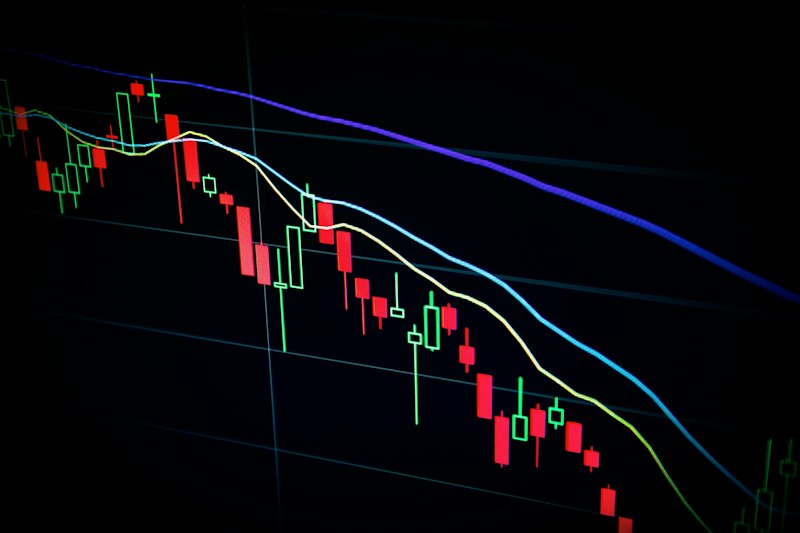
Technical analysis is the art of reading price charts to predict future movements. Here are the essential tools every trader needs:Candlestick Patterns
Patterns like Doji, Hammer, Engulfing, and Morning Star can signal reversals or continuations. Learn how to read them in our Candlestick Patterns Guide.Indicators
- RSI (Relative Strength Index) — Measures overbought/oversold conditions
- MACD — Tracks trend direction and momentum
- EMA (Exponential Moving Average) — Identifies trend support and resistance
Support & Resistance
Key price levels where the market tends to reverse or consolidate. Learn to draw them manually — no indicator can replace a trained eye.🔗 Deepen your skills with our Technical Analysis Toolkit.
🌍 Step 3: Understand Fundamental Analysis
While technical analysis tells you where the price might go, fundamental analysis tells you why.Key fundamental drivers:
- Interest Rate Decisions by central banks (Fed, ECB, BOJ)
- Employment Data (NFP, unemployment rate)
- GDP & Inflation Reports
- Geopolitical Events and market sentiment
📎 External Resource: BabyPips Forex School — one of the best free educational platforms for fundamentals.
🛡️ Step 4: Master Risk Management
This is the single most important skill in Forex trading. Without proper risk management, even the best strategy will fail.Golden Rules of Risk Management
| Rule | Recommendation |
|---|---|
| Risk per trade | 1%–2% of your account balance |
| Risk-to-Reward Ratio | Minimum 1:2 (aim for 1:3 or higher) |
| Stop-Loss | Always set it — never trade without one |
| Drawdown Limit | Stop trading if you hit a 10–15% drawdown |
📎 For a deeper dive, read our Risk Management Strategies Guide.
🎯 Step 5: Choose a Trading Style
Not all trading styles suit all personalities. Here are the three most common:| Style | Timeframe | Holding Period | Best For |
|---|---|---|---|
| Scalping | 1-min to 5-min charts | Seconds to minutes | Fast-paced, high-focus traders |
| Day Trading | 5-min to 1-hour charts | Minutes to hours | Those who trade full-time |
| Swing Trading | 4-hour to daily charts | Days to weeks | Part-time traders, busy professionals |
🧠 Step 6: Develop Trading Psychology
Your mindset determines your success more than your strategy. Common psychological traps:- Revenge Trading — Trying to "get even" after a loss
- FOMO (Fear of Missing Out) — Jumping into trades without a setup
- Overconfidence — Increasing position size after a winning streak
"The market is a device for transferring money from the impatient to the patient." — Warren Buffett📎 Build discipline with our Trading Psychology Guide.
🌐 External Resource: TradingPsychologyEDGE — expert insights on emotional control in trading.
📓 Step 7: Backtest & Journal Every Trade
Professional traders don't guess — they test. Use a trading journal to record:- Entry and exit rationale
- Screenshots of the chart setup
- Emotional state at the time of trade
- Lessons learned (win or lose)
🏁 Conclusion
Going from zero to pro in Forex trading isn't about finding a magic indicator or a secret strategy. It's about:- ✅ Building a strong foundation of knowledge
- ✅ Mastering technical & fundamental analysis
- ✅ Practicing disciplined risk management
- ✅ Choosing a trading style that fits your life
- ✅ Developing psychological resilience
- ✅ Reviewing and improving continuously
📌 Related Reading on SK Markets Inc.:
- Forex for Beginners Guide
- Swing Trading Strategies
- Day Trading Tips & Setups
- Technical Analysis Tools
- Trading Success Habits